
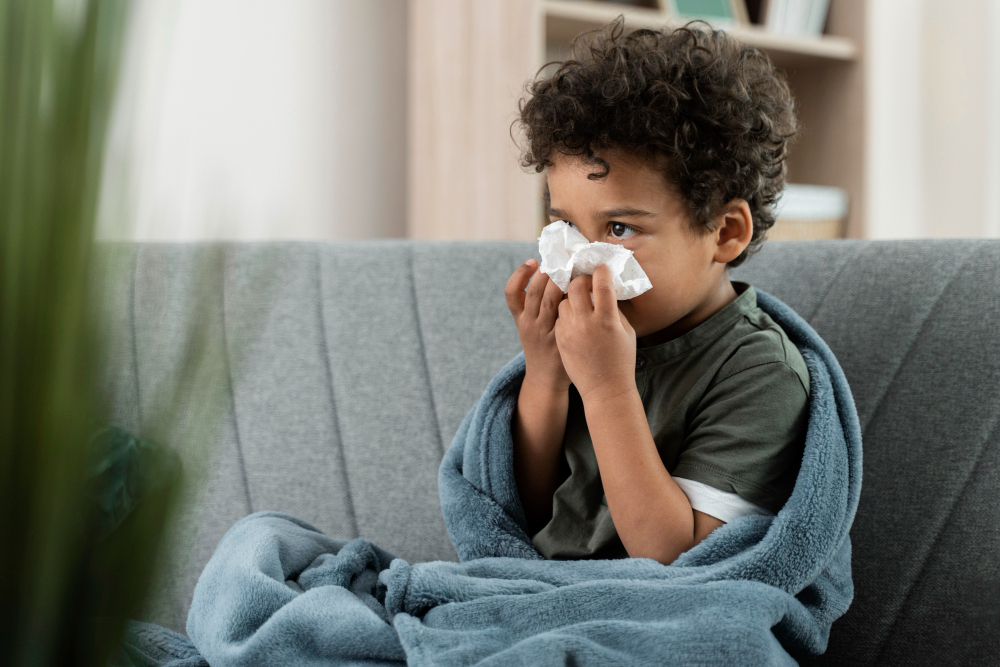
What is H3N2 Flu in Kids?
H3N2 flu in kids is a type of influenza caused by the H3N2 virus. This virus is a strain of the flu that often affects children. Because kids have developing immune systems, they can get sick quickly. The H3N2 flu can spread easily in schools and daycare centers. According to the CDC, children under five are at higher risk for flu complications. Therefore, it is important for parents to know the signs and ways to prevent the flu.
Common Symptoms of H3N2 Flu in Children
Children with H3N2 flu may show a range of symptoms. Sometimes, these symptoms appear suddenly. Early detection helps in faster recovery. Watch for the following signs:
However, not all children will have every symptom. Some may only feel tired or have a mild cough.
Causes and How H3N2 Spreads Among Kids
The H3N2 flu in kids spreads mainly through droplets in the air. When an infected person coughs or sneezes, tiny droplets carry the virus. Kids can breathe in these droplets or touch surfaces with the virus. After touching their mouth, nose, or eyes, they can get sick. Also, close contact in schools or playgrounds increases the risk. Because children often forget to wash their hands, the virus spreads quickly among them.
Diagnosis: How is H3N2 Flu Identified in Children?
Doctors diagnose H3N2 flu in kids by looking at symptoms and medical history. Sometimes, they use a swab from the nose or throat to test for the virus. These tests can give results in a short time. If your child has severe symptoms, the doctor may order more tests. Early diagnosis helps start treatment sooner. Therefore, visit your doctor if your child shows flu symptoms.
Treatment Options for H3N2 Flu in Kids
Treatment for H3N2 flu in kids focuses on easing symptoms and preventing complications. Most children recover at home with rest and fluids. However, some may need medicine. Doctors may prescribe antiviral drugs if the flu is caught early. These medicines can shorten the illness and lower the risk of serious problems. Always follow your doctor’s advice. Do not give aspirin to children, as it can cause serious side effects. Instead, use acetaminophen or ibuprofen for fever, but only as directed.
If symptoms get worse, contact your doctor right away.
Prevention Tips for Parents and Caregivers
Preventing H3N2 in children is possible with simple steps. Because the flu spreads easily, good habits help protect your child. Try these tips:
Because prevention is key, start these habits early in the flu season.
When to Seek Medical Help
Most children with H3N2 flu recover at home. However, some may need medical care. Watch for these warning signs:
If you notice any of these signs, seek help right away. Early treatment can prevent serious problems. If your child shows signs of H3N2 flu, consult a pediatrician at Myo Clinic for personalized advice.